Dear Customers,
A few shipments arrived this week. If you log into your account at www.toywonders.com, before clicking on any of the links below, approved wholesale accounts will see wholesale pricing.
Forgot your password?
Having trouble viewing this page
Missed a previous week's newsletter?
DIECAST Collectible Model Cars And More
|
Image |
Item# |
Description |
Stock Status |
|
11033OR |
|
Restock |
|
11033W |
|
Restock |
|
12072OR/4 |
|
Restock |
|
31117BU |
|
Restock |
|
31117YL |
|
Restock |
|
31132BG |
|
Restock |
|
31139BK |
|
Restock |
|
31144SV |
|
Restock |
|
31616BU |
|
Restock |
|
31616M |
|
Restock |
|
31640R |
|
Restock |
|
31647BK |
|
Restock |
|
31656R |
|
Restock |
|
31682GY |
|
Restock |
|
31807GN |
|
Restock |
|
36128R |
|
Restock |
|
36143W |
|
Restock |
|
36196BK |
|
Restock |
|
31207OR |
|
Restock |
|
31208W |
|
Restock |
|
31220OR |
|
Restock |
|
31271BK |
|
Restock |
|
31271R |
|
Restock |
|
31273BU |
|
Restock |
|
32173BO |
|
Restock |
|
SC115W |
|
Restock |
|
SC121BU |
|
Restock |
|
SC130BU |
|
Restock |
|
SC322ABK |
|
Restock |
|
SC322BW |
|
Restock |
|
SC500E01GY |
|
Restock |
|
18110BK |
|
Restock |
|
32307GN |
|
Restock |
|
32309GN |
|
Restock |
|
32322R |
|
Restock |
|
32353R |
|
Restock |
|
32358R |
|
Restock |
|
32393W |
|
Restock |
|
32521GN |
|
Restock |
|
24048 |
|
Restock |
|
92179GN |
|
Restock |
|
92198CO |
|
Restock |
|
92198GN |
|
Restock |
|
92248BU |
|
Restock |
|
92268R |
|
Restock |
|
92458BG |
|
Restock |
|
92458GN |
|
Restock |
|
92498GN |
|
Restock |
|
92528OR |
|
Restock |
|
92598R |
|
Restock |
|
92608SV |
|
Restock |
|
92608W |
|
Restock |
|
92708BK |
|
Restock |
|
43204OR |
|
Restock |
|
94255BU |
|
Restock |
|
05401PC |
|
Restock |
|
05601BU |
|
Restock |
|
05841W |
|
Restock |
|
90540WS |
|
New |
|
4004RB |
|
Restock |
|
5018DP |
|
Restock |
|
5059DFB |
|
Restock |
|
5252D |
|
Restock |
|
5259WW |
|
New |
|
5323D |
|
Restock |
|
5325D |
|
Restock |
|
5357D |
|
Restock |
|
5360D |
|
New |
|
2105FD/3 |
|
Restock |
|
2106BKG |
|
Restock |
|
2106D |
|
Restock |
|
2112D |
|
Restock |
|
2113D |
|
Restock |
|
2171D |
|
Restock |
|
9531/4D |
|
Restock |
|
9961/4D |
|
Restock |
|
9721/4E |
|
Restock |
|
9870D |
|
Restock |
GAS PUMPS
Image |
Item# |
Description |
Stock Status |
|
98622 |
|
Restock |
|
98632 |
|
Restock |
|
98671 |
|
Restock |
|
98752 |
|
Restock |
|
98791 |
|
Restock |
|
98801 |
|
Restock |
METAL SIGNS
Image |
Item# |
Description |
Stock Status |
|
AW20 |
|
Restock |
|
DG02 |
|
Restock |
|
DG05 |
|
Restock |
|
DO05 |
|
Restock |
|
FD05 |
|
Restock |
|
FD06 |
|
Restock |
|
FD12 |
|
Restock |
|
GM06 |
|
Restock |
|
GM09 |
|
Restock |
|
JB04 |
|
Restock |
|
M349 |
|
Restock |
|
M351 |
|
Restock |
|
M449 |
|
Restock |
|
M466 |
|
Restock |
|
M501 |
|
Restock |
|
M6 |
|
Restock |
|
M638 |
|
Restock |
|
M714 |
|
Restock |
|
M732 |
|
Restock |
|
M735 |
|
Restock |
|
M764 |
|
Restock |
|
M765 |
|
Restock |
|
MP24 |
|
Restock |
|
PS30133 |
|
Restock |
|
PS30134 |
|
Restock |
|
AW68 |
|
Restock |
|
CS60108 |
|
Restock |
|
RD28 |
|
Restock |
|
RD36 |
|
Restock |
|
RD44 |
|
Restock |
|
RD54 |
|
Restock |
|
RD58 |
|
Restock |
|
RD6 |
|
Restock |
|
RD8 |
|
Restock |
|
RD89 |
|
Restock |
|
RD9 |
|
Restock |
|
RD97 |
|
Restock |
|
RD99 |
|
Restock |
|
RD60 |
|
Restock |
AMERICAN DIORAMA
Image |
Item# |
Description |
Stock Status |
|
16109 |
|
Restock |
|
23797 |
|
New |
|
23798 |
|
New |
|
23799 |
|
New |
|
23800 |
|
New |
|
23909 |
|
New |
|
23910 |
|
New |
|
23911 |
|
New |
|
23912 |
|
New |
|
51582 |
|
Restock |
|
51583 |
|
Restock |
|
51584 |
|
Restock |
|
51585 |
|
Restock |
|
51588 |
|
Restock |
|
51589 |
|
Restock |
|
51592 |
|
Restock |
|
51593 |
|
Restock |
|
51594 |
|
Restock |
|
51595 |
|
Restock |
|
51598 |
|
Restock |
|
51599 |
|
Restock |
|
77719 |
|
Restock |
|
77727 |
|
New |
|
77728 |
|
New |
|
77735 |
|
Restock |
|
77742 |
|
Restock |
|
77746 |
|
Restock |
|
77747 |
|
Restock |
|
77748 |
|
New |
|
77749 |
|
New |
Please do not reply to this email address.
Any questions or comments, please email us at [email protected].
To unsubscribe to this newsletter, send an email to [email protected] and put the word 'unsubscribe' on the subject line.
Thank you
Lu Su
Toy Wonders, Inc.
www.toywonders.com
201-229-1700
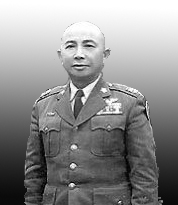
Szelian Hsu (1910 to 2013)
An Ode to Grandpa
By L S Su
In the December of (1910), my Szelian Hsu was born in a Taizhou, which is roughly 230 miles directly south of Shanghai. We know the year and month is correct, but the exact date is suspect. Believe it or not, back in those days and in that location of the world, they used a different calendar. Seems perfectly reasonable; those people saw the moon far more frequently than Westerners, hence they used the Lunar calendar rather than the Gregorian calendar.
Szelian was the youngest son of 7 brothers in the family. He had 6 older step brothers and 4 step sisters (2 step and 2 full sisters). The circumstance of my grandfather's birth was different than most typical households. When Szelian was born his eldest brother was already married and had kids older than him. This definitely presents new challenges for a culture very big on respecting you elders.
The way this came about is that Szelian's father's first wife passed away and he eventually re-married and together with his younger wife, they had 3 more kids. Szelian's mom bore two daughters and Szelian. But it was a tumultuous to live life and things would get progressively worse in a hurry.
The Russo-Japanese war had just ended a few years before Szelian's birth. Most of us Americans know nothing about this war, but it was the first great war of the 20th century. Two superpowers engaged in war and much of the battle ground was in a place called Manchuria, which is NE China today. So nice to host the venue for the war and be in the middle of the crossfire.
When my Szelian turn one year old (1911), a civil war erupted. The last of the ruling Chinese dynasties, Great Qing Dynasty, collapsed and came to a bloody end. Strange how new births are usually accompanied with blood. Our country was no exception.
In the following year (1912), this leader named Sun Yat-sen was appointed to serve as president of the Provisional Republic of China (PRC). Greatly influenced by Western culture and even spoke English as a second language, Sun believed that government should be by the people. Sun formed the Kuomintang (KMT) party, which was a anti-monarchist party and a big departure from emperor rule.
Sun's new political philosophy was called the Three Principles of the People: nationalism, democracy, and the people's livelihood. Incidentally, "Kuomintang" is a word that is directly translated from the Chinese and means " The Chinese National Party". What I find kind of interesting was that Sun Yat-sen, known to many Chinese as the first President and founding father to the Republic of China, was in St. Louis, Missouri at the time he was appointed President.
As mentioned, the concept that government should be by the people and for the people was foreign. Emperor rule was the form of government for the last 4000+ years or so. Needless to say, it's a hard habit to break and the Chinese in that region are use to a monarch calling all the shots. But after the collapse of the last dynasty, China was left under the control of provincial governments and several major and lesser regional warlords; many of whose fore-fathers obtained power, wealth and position by supplying opium to the British and other Europeans.
When Szelian was four years old, World War I started (1914). While most of the world's attention was on Europe, Japan starts asserting its imperial influence in China and presents the Twenty-one Demands to China (1915). Sun Yat-sen the first appointed/elected President (like our George Washington) sought for the unification of China (like our Abraham Lincoln). But in order to better resist Japan's hostile provocations, Sun needed to quickly unify the Chinese and gain recognition and support from foreign governments.
Not a easy task when the Chinese at that time didn't have a common language. Each region in China had its own dialect. Though most of China was on board with this unification concept, the North wasn't. The Northern provinces of China were controlled by warlords who thought their way of life was just fine the way it was. This sort of reminds me of what happened here in America before our Civil War.
When Abraham Lincoln became President of the United States, the states in the South didn't even know who Abraham Lincoln was. Moreover, his name was not even on their voting ballots. But because the Northern states were more populated, they had more say on the matter and determined the outcome on who was going to be President. For the Southerners to accept this stranger as their President and pay taxes to benefit a people in a territory not their own, seemed unnecessary and was unwelcomed.
While all this was happening, at age six, Szelian's father dies (1916). I felt sad for my grandfather, because he told me he had no memory of his father or his older sisters. His older sisters had married and departed his village at a young age. Back then marriages were arranged, where you have zero say on the matter. Back then you didn't marry for love. You married for strategic social and economic that benefited the family. The family and the family's name was the focus; so it wasn't about you.
At age seven and In August (1917), the Northern government (basically an alliance of warlords) in Peking and Sun Yat-sen (President of the PRC) formed a separate provisional regime in Canton, and declare war on Germany. This regime then sent 175,000 laborers overseas to help Allies.
At age eleven (1921), a second governmental party formed in China. The name of this new party was called The Chinese Communist Party. Perhaps you have heard of it? This little party has grown up and now influences the entire world with the decisions they make. Sun Yat-sen's efforts to obtain aid from the Western democracies were ignored. So that year he turned to his northern neighbor (the Soviet Union) for help. This event would prove fatal the the pro-democracy cause.
The Soviet leadership, which had a communist and dictatorship type of leadership, initiated a dual policy of support for both Sun's Nationalist party called the Kuomintang (KMT) and the newly established Communist Party of China (CPC). A multiple party system might works in many countries like America and Britain. But a multi party system where one party is communist is going to be ideologically incompatible. The reason is simple. Communism is a one-party system. It doesn't tolerate other parties. So if it ever came to power, it's first move would be to evict all other parties; this is exactly what happened after WW II. The KMT (nationalist party) fled the mainland to an island called Taiwan (formally occupied by the Japanese called Formosa). Thus the struggle for power in China began between the KMT versus the CPC and continues on today..
At age fifteen (1925) Sun Yat-Sen dies of cancer. There is a brief power struggle for leadership of the KMT party; but in the end a Soviet trained Chinese General takes the helm of the KMT. The name of the General and new leader of the KMT party was Chiang Kai Shek. Sun Yat-Sen sought the unification of China through socialist policies, patience and statesmanship. But Chiang wasn't a patience man. And the only way he knew how to unify the country was to do it by force (like our country). While Chiang engaged in a civil war against warlords, in 1927 he lumped the communists (CPC) in as the enemy to the Nationalist KMT party.
My grandfather grew up in a time of war and when he reached the ripe old age of sixteen (1926), he joined the army. Another reason he joined the Army was to runaway from pre-arranged bride. Of all Szelian's siblings, he was probably the only one who actually married with love in the equation. However even though Szelian would have nothing to do with this marriage, his pre-arranged bride stayed and live with Szelian's extended family. I'm sure this would make any return visit from Szelian a little Awkward with a capital "A".
My grandfather followed in the steps of his older brother who would eventually reach the rank of Major General. Szelian's older brother (brother #6) had specialized in artillery and was in charge of securing the mouth of the Yangtze river in Shanghai. I was told by my grandfather that brother #6 retired before WWII even started. Unfortunately he and his family chose not to flee to Taiwan after the war. The communist arrested him and perished in the labor camps during the communist's Cultural Revolution.
"Isn't that a little young to be joining the military?" I had asked the retired General eleven years ago. We were drinking tea and playing chess in his Spartan-like living room.
In the Chinese military system during that time, there were only three levels for generals. Starting from lowest to highest rank: Major General, Lieutenant General, and General. It's a bit confusing that Major General is lower in rank than Lieutenant General, because the rank of Major is much higher in rank than a Lieutenant; but I didn't design it. Incidentally, the U.S. system has another level for Generals. It's called Brigadier General, which is the entry level for Generals and comes before Major General.
"Back then if you reached age 35, you were considered an old man." he explained to me.
So back then in China, when you reached 16, you were middle aged? How convenient to do puberty and a mid-life crisis at the same time. After serving in the Army for less than 3 years, my grandfather received this opportunity to transfer to a new branch of the military armed forces; This branch was call the National Chinese Air Force. Szelian graduated in the second graduating class of this new academy. My grandfather stayed at this academy for many years and trained many cadets on how to fly.
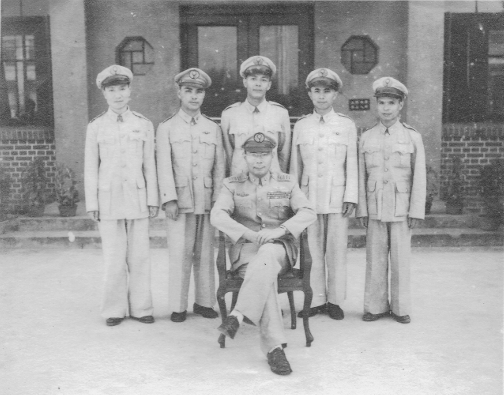
These five boys represented the 2nd graduating class of the Chinese Air Force Academy. This is the earliest picture I have of Szelian -standing second from the right.
At the age of twenty-one (1931), the country was deeply engrossed in a civil war with the Nationalist (KMT) fighting the Communist (CPC). It made for an opportune time for the Japanese to invade. So in 1931 the Japanese invaded Manchuria. Keep in mind this is ten years before the Pearl Harbor incident. The next year Japan attacked Shanghai (1932). General Chiang Kai Shek was in a dilemma. His troops could not fight both the communists and the Japanese. He did not want to use KMT troops to fight the Japanese. Of the two, he felt the communists were more dangerous and even said, ""The Japanese are a disease of the skin. The Communists are a disease of the heart."
When the civil war got interrupted by the Japanese, Szelian was a lieutenant. One day while on a surveillance mission he experienced engine trouble and was forced to land his plane in a farmer's field. I had asked him if he was shot down. My grandfather had told me that he didn't know what caused his engine to fail. Transportation wasn't good back then and it took him a few weeks before he made it back to his air base (mostly on foot). When he finally returned to the base, he told me he got a lot of shocked looks.
But was greeting with smiles and these kind word, "We thought you were dead!"
At around age twenty-four or twenty-five (1934 or 1935), my grandfather marries Chaing Tsway Hua. Szelian at the time was stationed near an air base near her home town called Hangzhou. Szelian's father-in-law was a colonel in the army, but he died a few months after their marriage in a battle against the Japanese.
During the entire Japanese invasion and occupation, the Japanese slaughtered many Chinese. The Japanese soldiers would actually have contests who could slay (with a sword) more Chinese in a day. Realize that you only get this opportunity to use a sword against people that don't have guns (civilians). Wherever the Japanese went, the casualty rate for the Chinese was very high: land, sea or air. But China was a big country with a big population; For the Japanese Imperial army to use swords, bullets, and bombs, it would prove very expensive and a very time consuming way of exterminate such a large population. So the Japanese resorted to less expensive ways to kill the Chinese.
The number of deaths is a staggering number. Before I give you this big number, let me put this number in context. Realize that the bloodiest war for America was the American Civil war. Our civil war claimed 620,000 soldiers. Then from after the American Civil War to the Gulf War, you get an additional 644,000 casualties. So roughly 1.3M American soldiers have died in combat since the Civil War in 1861 to Gulf War in 1991 -with minimal civilian deaths. So in 130 years we Americans lost approximately 1.3M soldiers. During the 12 year Japanese occupancy in China, estimates for the number of the civilian deaths alone (not even counting military casualties) is six (6) million.
Remember recently this year, when several thousands dead pigs were found floating in a river near Shanghai? Well my grandfather was around at the when the Japanese used the rivers to dispose of thousands of dead bodies. The Japanese were not interested in taking prisoners, except for use in their germ warfare development. There was no prison exchange program back then. The Japanese followed no Geneva convention protocol for the ethical treatment of prisoners. An estimated 200,000 Chinese were put to death in these camps as the Japanese honed their skills in making germs like the black plaque, typhoid, and cholera even more lethal.
There is documentation that Japanese armed forces also used poison gas in their battles against Chinese troops. During this time the Japanese also engaged in biological germ warfare. Remember, the Japanese didn't conquer China with the intention of making its citizens subjects; They came to conquer, exterminate the population, and then to eventually settle the land with their own people. Now I know germ warfare has been practiced for centuries -probably starting with poison tipped arrows. However the Japanese would take this type of warfare to a new level.
Japanese troops dropped cholera and typhoid cultures in wells and ponds. This was the first recorded event of germ warfare through aerial drops. The Japanese planes would fly into Chinese cities and villages and dropped plague-infected fleas. Known, targeted, and document drops include Ningbo in eastern China and over Changde in north-central China; plague outbreaks were later reported in those regions. But not wanting to rely on fleas alone, who might not enter homes, the Japanese were entrepreneurial and dropped food and toys laced with plaque culture. Unsuspecting villagers and children would then pick them up and bring them inside their homes.
My grandfather told me that he flew many sorties against the Japanese. My grandfather was a short man only 5'4" tall. He had to sit on a seat cushion so he could see out of the cockpit. One day as he was about to climb into the cockpit, he lowered his seat cushion and noticed a bullet hole through the seat cushion. After further examination the crew realized that a bullet had pierced through the plane's fuselage, through the cockpit seat, through his seat cushion, and out between his legs. Szelian was just inches away from death and he even realize it until then.
I had asked my grandfather if he was successful in shooting any enemy planes down. Sounds like a reasonable question for a grandson to ask his grandfather right? I remember my grandfather got exasperated, stood up, started screaming something in Chinese at me and waved his right hand up and down in total disgust. He also gave me a look that I just asked the dumbest question.
The answer was no. My uncle explained that during that time, the National Chinese Air Force was comprised of these clunky hammy down old planes from the Russia, France and the United States. Decommissioned old planes that were suppose to go to scrap yard found a new use: sell them to the Chinese Air force. Needless to say, they were no match for the state of the art Japanese planes that also included the A6M Zero.
The Zero was more powerful, faster, more agile, longer range, and had more fire power on it than the clunkers my grandfather flew. Anyone that had a relative that was at Pearl Harbor or on a naval ship in the Pacific would have a fearful respect for this new weapon of war. I guess a close analogy would be showing up at a gun fight with a BB gun or participating in a NASCAR car race with your family's mini van. I learned through my uncle that although the Chinese Air force was slightly better equip (though with outdated equipment) than the Chinese Army. I think I understood what was going on. It was very expensive to loose a pilot. And the planes were irreplaceable. The Chinese army at that time faced rampant shortage of pretty common necessities. Things like food, shoes, and ammo were in short supplied and rationed. One of my uncles recalls a story he heard when he was young.
"Here are your two bullets for the week." as a Sergeant handed them out to his men. "Get in close, get a good shot off, and don't waste it."
When some soldier grumbled the sergeant's reply was something to the effect of , "The enemy won't know how many bullets you have or don't have. Plus, after you kill him, you'll have the opportunity to take his weapon and then you'll have lots of bullets."
At age 27 (1937), Szelian and Chaing have their first daughter Lina in Hangzhou. But as the Japanese capture more land, the Chinese retreat westward to Kunming. This is where they had two more daughters (1938 and 1939). Daughter #2 was given on loan to Chaing's best friend to raise, who was married but couldn't conceive.
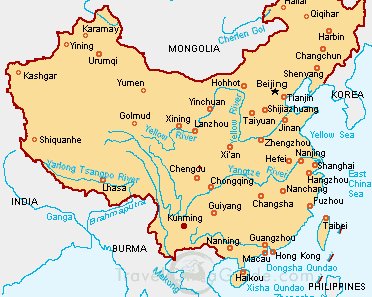
With the Japanese approaching from the East, the Nationalist continued to retreat West towards the newly established wartime capital in Chungking. The Chinese air force also retreated from Kunming to Sichuan Province. In the Summer of 1942 Szelian and Chaing had their first son, David (my uncle). Unfortunately around this time (1943), Chaing contracts tuberculosis (TB). TB was rampant those days and there was no cure.
I heard on the radio (NPR) that TB is making a come back. The scientist being interviewed says there are now (in 2013) over 200 known strains of TB where our current antibiotics that we have at our disposal are ineffective. He was saying that if the scientific community doesn't develop new antibiotics, this killer will rear its ugly head again; TB is very contagious.
Fearful that she might transmit the contagious disease to her children, Chaing checks herself into a hospital ward and hires a couple to watch over her 3 kids. It was here in the hospital, with everyone behind surgical masks, where she tells her two daughters Lina and Anna that they have another sister in between them. My mom was initially given to them (as a baby), but proved to fussy; so they exchanged my mom for daughter #2. My mom was only around 4 or 5 years old at the time. Chaing shows them a picture of their sister; and tells them that she and her step parents made it to England. So maybe somewhere in the UK I have an aunt and cousins that speak with British accents.
During this time the kids would see very little of either their mother or father. Their mother was sick in a ward and getting sicker every day. Their father Szelian wasn't around, only when he was on leave. Chaing surcomes to TB within a few months later. This is the grandmother I never got to see or meet. I don't even have a picture of her.
Around this time, Szelian was chosen as a group of select pilot to come to America and learn how to fly American planes. You see it took over 10 years for Americans to learn that the Japanese were dangerous. Unfortunately, It wasn't due to the loss of millions of civilians, but it took the loss of American Pacific Fleet before America took an interest in confronting Japanese imperialism.
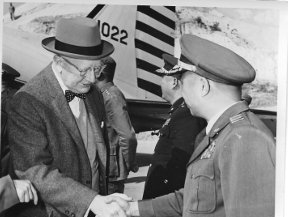
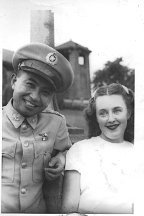
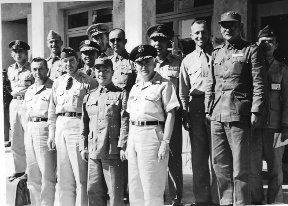
Szelian shaking the hand of a US Senator that help get funding to train Chinese pilots and send P51 and P52 Mustangs to China. I was told that these pictures were taken in Houston, TX.
Unfortunately I have misplaced a picture of Szelian with a big smile standing next to a row of Mustang P51s. One of my relatives obtained the image off one of the History Channel's video documentaries. We were all pleasantly shocked to see Szelian in a video clip taken during WW II.
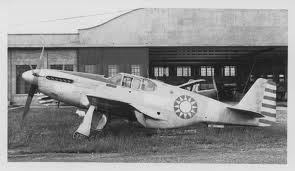
Now with the new state of the art Mustangs in the Chinese Air force arsenal, the Chinese had a much better chance to confront the Japanese. At least they didn't have to turn tail and run every time they saw them in the air. Szelian had grown so accustomed to losing friends and cadets he personally had trained; the Mustangs was a game changer for the Chinese Air Force.
August 6th and 9th, 1945, The U.S. drop two atomic bombs in Japan. At the same time on August 8th, the Soviets break their neutrality agreement with Japan. Soviet troops that had been massing at the border, spill into Manchuria and confront the Japanese. Many historians believe it was the combination of these two events, along with the thinking that the US had several hundred more of these atomic bombs, that got Japan to surrender on August 15, 1945.
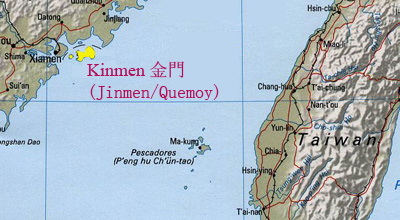
After the surrender of the Japanese, It didn't take long for the tentative truce between the CPC (communist) and KMT (nationalist) to fall apart. In the Summer of 1946 they resumed the civil war. During the next 3 years, the CPC would gain the upper hand and were able to keep pushing the KMT forces South.
Chiang Kai Shek realized that his positions in the mainland were indefensible against the communists; he then retreated to Taiwan. It was during this period that Chiang writes in his diary on June 1948, "The KMT had failed, not because of external enemies but because of rot from within." Good old fashion corruption can bring any government or house down.
In 1949 the Nationalist's and their families (many of them not all) fled to Taiwan. Because my grandfather was in the air force, his family was airlifted to Taiwan. But the bulk of the people loyal to the KMT government arrived by boat. My grandfather was a Colonel during that event. It had always been Chiang Kai Shek's desire to regroup and one day return to take the mainland. In order to do so, the KMT needed a staging point in order to launch the attack, so at a very high cost in lives, KMT forces (even today) control this little island called Kinmen island.
Kinmen Island (the Chinese pronounced it as Jinmen) is this small island that is within eye, hearing, and artillery range from the main land. After the KMT retreated to Taiwan, but continued to hold Kinmen, the Chinese spy network found out that there would be 3 military KMT commanders on that island on a particular day. in (1954) the communists commenced one of the heaviest bombardments of that island ever in the history of that island. Unfortunately, after the death of one of the commanders during the bombardment, that is when my grandfather received his promotion from Major General to Lieutenant General and was stationed there.
The CPC had fired approximately 450,000 shells at the island. What is kind of interesting is that the shells have become a recyclable source of steel for the local economy. This island is famous for it's production of cleavers (to chop meat and vegetables) made from bomb shells. A blacksmith can generally produces 60 cleavers from one bomb shell and Communist China tourists now purchase Kinmen knives as souvenirs.
Today we hear a lot of news that the Chinese are breaking into computer systems of private companies and stealing information. Throughout the centuries, the Chinese spy network has always been very strong -dating back several centuries when emperors from dynasties ruled. My grandfather told me that the communist spy network was so strong and powerful that they probably knew about his promotion before he did (i.e. "rot within").
Not long after my grandfather was stationed on Kinmen island, he hears his mother's voice on the loud speakers. The communist had kidnapped her from her town and brought her to the coast. The communist had set up these large and powerful loud speakers on the mainland and pointed towards the island. On a daily basis, it spewed propaganda to give up. My grandfather said it had been over 25 years since he last saw his mother. And was very shocked to hear his mom's voice on the loudspeaker, calling his name, and ordering him to surrender. Threats to Szelian's family were also given. Something to the effect that "They know where your family lives and nothing is out of their reach."
To the communists credit, they did not murder Szelian's mom after she was unable to convince her son Szelian to give up the island. But my uncle David told me that the CPC propaganda machine did affect one of Szelian's decisions. My grandfather was told that if he completed another tour of duty there (probably the most dangerous spot in the world at that time), he would be promoted from Lieutenant General to General. My grandfather declined this opportunity and wrote Chiang Kai Shek that after this current tour of duty was over he desired to be discharged from the armed forces.
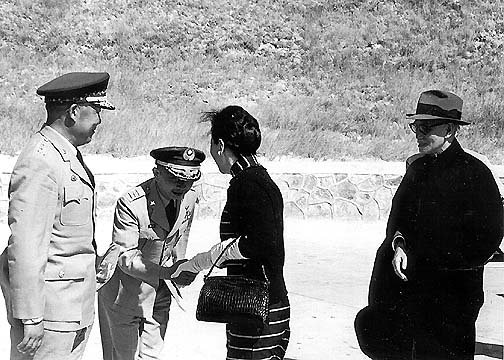
My grandfather greeting Chang Kai Shek's wife, known as Madame Chiang. For at least a decade or maybe two, she was probably one of the most powerful and influential woman in China. Chiang Kai Shek on the right. They came for a visit to rally the troops.
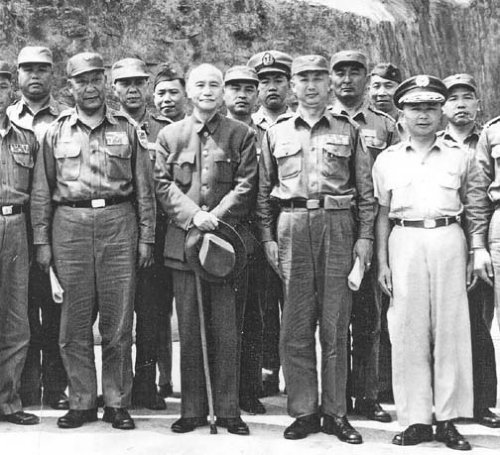
Chiang Kai Shek center holding his hat. My grandfather two to the right. Why he's in a different color uniform is unbeknownst to me. My uncle suspects that air force wore lighter color uniform than army.
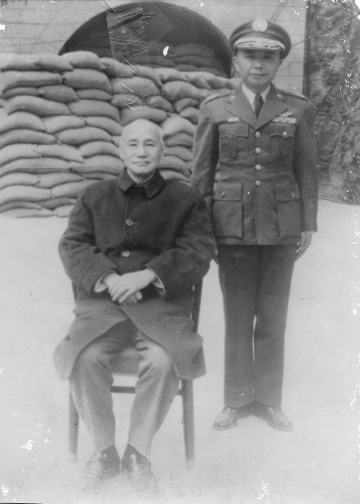
Szelian remarried. He married my step grandmother Lina who had 2 kids from her own from a previous marriage (Helen and Richard); Lina's first husband had died in the war like millions of other Chinese. Together Szelian and Lina had two more sons while living in Taiwan. (Jack and Henry). Szelian and Lina eventually emigrated to Southern California after all their kids emigrated to the U.S. Szelian is survived by his wife, 7 kids (maybe 8 if my aunt survived the German bombings in England) and at least 12 grand children.
....I almost forgot the ode.
Thank you for being the man you are.
To take up a stand and confront evil.
To endure life through a horrific time.
So that generations after could live free
And to be unacquainted with hunger
Or what water from a ditch taste like.
Freedom is never free.
It's paid and bore on the backs of soldiers
Like my grandpa Lieutenant General Szelian Hsu (1910 to 2013)
Sources:
World War 2 SINO-JAPANESE WAR 1931 - 1941, History Channel
Civil War Trust, Civil War Facts
Biological Weapons Program, Federation of American Scientists FAS
Statistics Of Japanese Democide Estimates, Calculations, And Sources; By R.J. Rummel
Unmasking Horror -- A special report.; Japan Confronting Gruesome War Atrocity, by Nicholas D. Kristof; Published: March 17, 1995 New York Times
Back to the top